
- Fixed price No surprises
- Private Just your group
- Secure Safe payment
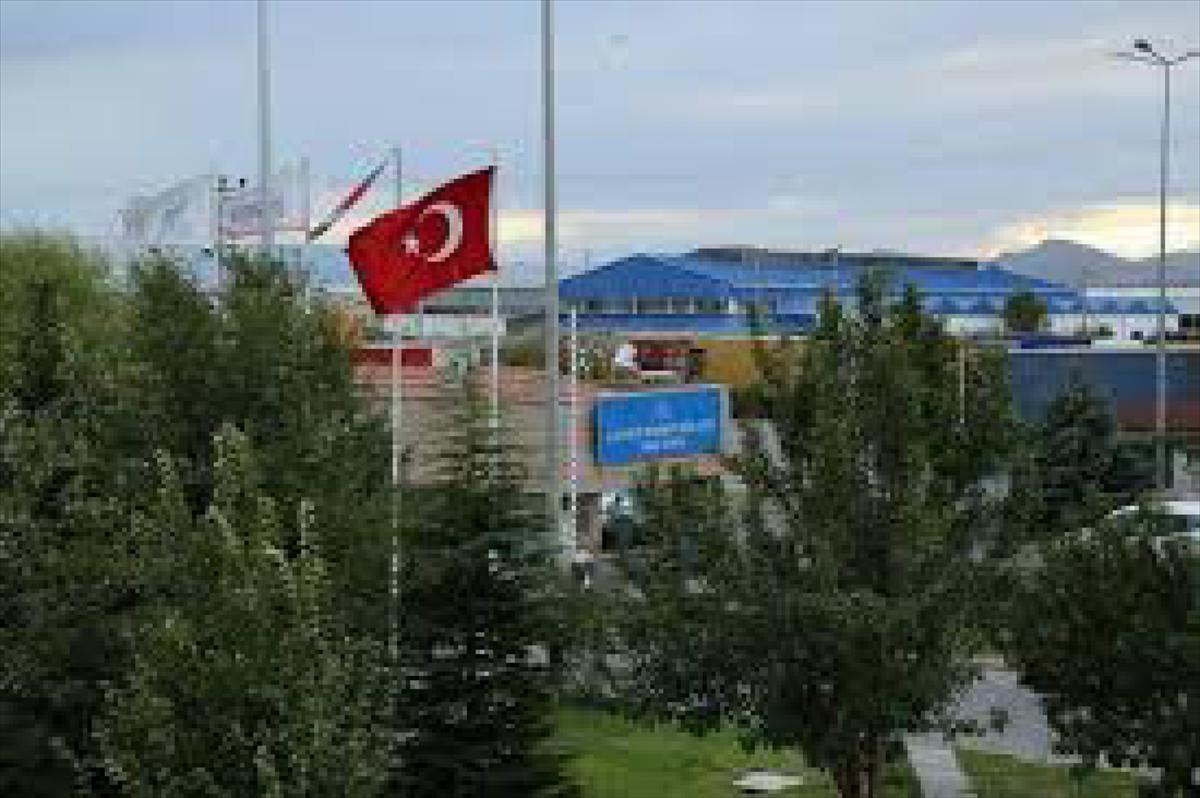
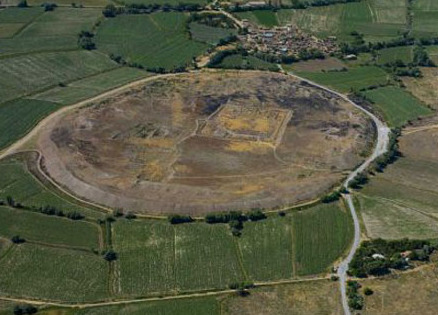
Kayseri lies east of Cappadocia; in Roman times the city was known as Caesarea. Like many settlements in Anatolia, it has a rich cultural heritage, and its attractions are scattered around the city and its surroundings. Kültepe Mound, about 20 km from the city, has a settlement history going back thousands of years. It was an important trading centre in the 2nd millennium BC, and excavations have unearthed many finds from the Bronze Age.
Ruled by Many Civilizations
Thanks to its strategic location, Kayseri has been important for the region for thousands of years. Many civilizations ruled here and left their mark on the city's cultural heritage, much of which has been excavated and is on display today. Among the best-known relics are rock reliefs carved by the Hittites, Roman burial structures, rock-cut churches from the early Christian period and many impressive buildings from the Seljuk and Ottoman eras.
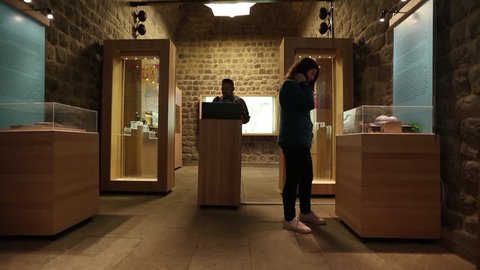
Golden Trading Zone
Around 1950 BC Assyrian trading colonies were set up here, linking Anatolia with Mesopotamia. Kayseri has kept this role to this day: the city is an important centre of commerce and industry in modern Turkey.
Touristic Zone
The city's pre-Islamic past can easily be traced in its districts and villages. One example is the Soğanlı Valley in Yeşilhisar district, one of the most visited sites in Kayseri and, with dozens of rock-cut churches, an important tourist area of the Cappadocia region. The churches date from the Byzantine period and are decorated with frescoes. The most striking are the Kubbeli Church, the Karabaş Church and the Church of St Barbara, with their unique architecture and decoration.
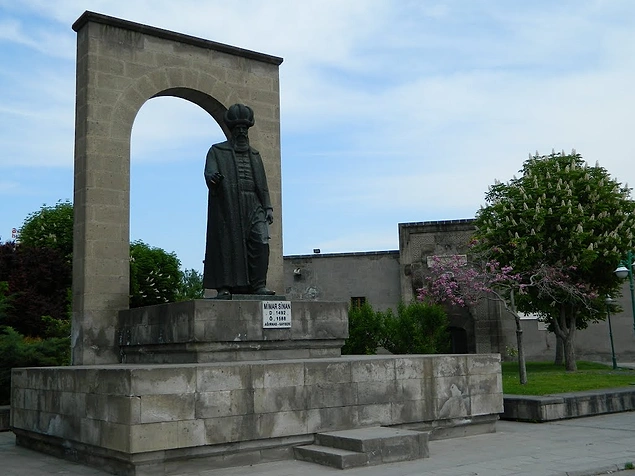
Birthplace of Mimar Sinan
Kayseri is also the birthplace of Mimar Sinan, the great Ottoman architect who created famous masterpieces in Istanbul and Edirne. His birth house in the village of Ağırnas is now a museum; the village also has an underground city that served as a refuge for early Christians.
Architectural Monuments
Kayseri has some of the most notable buildings of the Seljuk and Ottoman eras. Complexes such as Hunat Hatun combine a mosque, madrasa, tomb and public bathhouse, each with its own character. The city centre around them is now a busy shopping area, and nearby stands the beautifully decorated Döner Kümbet, a tomb tower from around 1276.
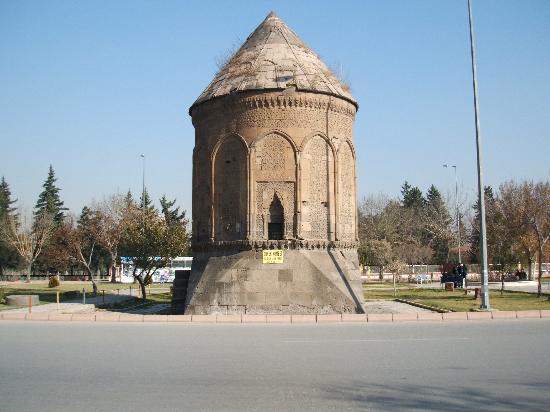
Kayseri an Educational Centre
In the Seljuk era Kayseri was one of the most important educational centres, so you can find many madrasas in Seljuk style in the city. Visit the Çifte Medrese (Twin Madrasa), one of the earliest medical schools and hospitals in Anatolia.
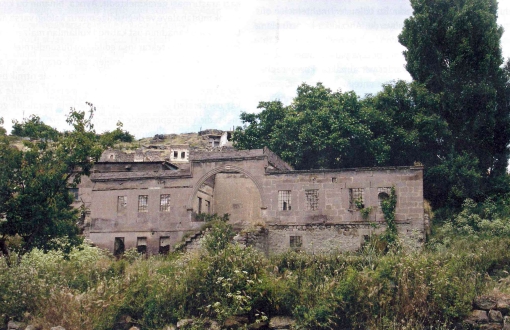
Carpet and Kilim Weaving
Kayseri is one of the most important carpet and kilim producers in Anatolia. The carpets are woven in traditional floral patterns that keep centuries-old traditions alive, and they are among the most popular souvenirs bought by visitors.
Transfer with Tranigo
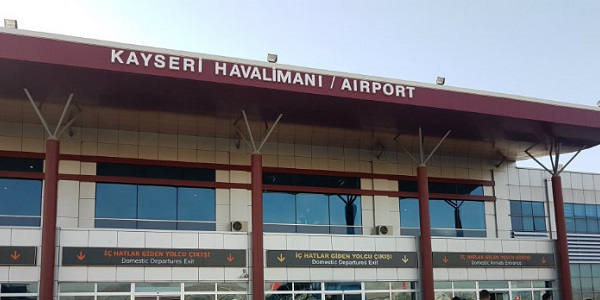
Book your transfer with Tranigo today to pick you up from the hotel. Visit our Nevşehir transfer page for Cappadocia transfers and enjoy your trip to this beautiful region.
Lowest available prices by vehicle type, updated regularly.
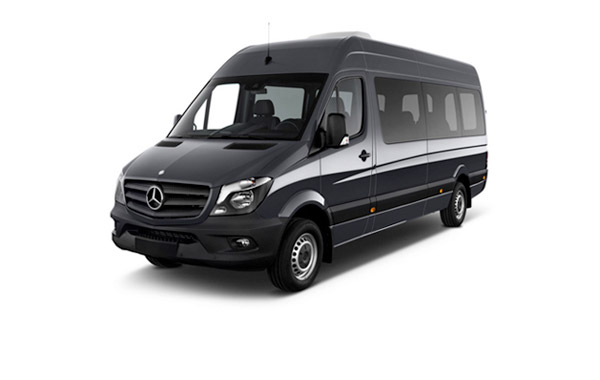
From € 12.00

From € 82.00

From € 82.00
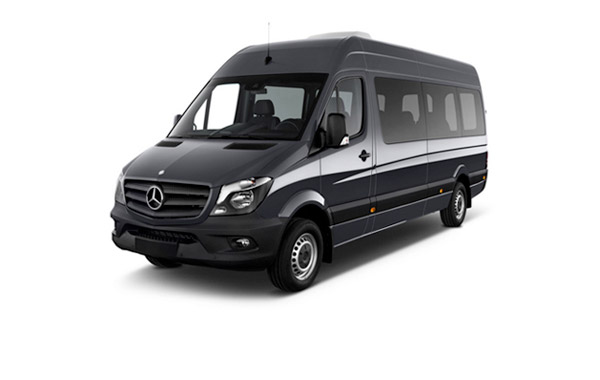
From € 97.50

Comments (0)
No comments yet. Be the first to write one.